Barkur, the Forgotten Capital of Tulu Nadu
A living archive of more than a thousand years of coastal history.
Hidden on the banks of the serene River Sita in present-day Udupi district lies Barkur, one of the most historically significant yet least appreciated heritage towns of Karnataka. Today it appears as a quiet settlement surrounded by greenery, ancient temples, ruined forts and scattered archaeological remains. Yet centuries ago this town was the political, cultural, religious and commercial heart of coastal Karnataka, the capital of the mighty Alupa dynasty and later a key administrative centre of the Hoysalas and the Vijayanagara Empire.
Known historically as Barakanur, Barakkanur and Barahakanyapura, Barkur was among the earliest urban centres of Tulu Nadu. Historians often call it the "Forgotten Capital of Tulu Nadu" because of its immense historical importance and the relative obscurity into which it has since fallen.
Geographic setting
Barkur is situated approximately 20 kilometres from Kundapura and a few kilometres from Brahmavara. The town lies on the banks of the River Sita, which rises in the forests of the Western Ghats before flowing into the Arabian Sea. The river was crucial to Barkur's development as a trade centre and port town, and its strategic location offered a rare combination of advantages.
- Access to inland trade routes, linking coast and hinterland
- River transportation along the Sita
- Maritime trade opportunities on the Arabian Sea
- Fertile agricultural lands of the river plain
- Natural defence advantages for a capital
Together these factors contributed significantly to Barkur's rise as a major political and commercial centre of the coast.
Capital of the Alupa dynasty
The golden chapter of Barkur's history began with the Alupa dynasty, among the earliest native rulers of Tulu Nadu, who governed the coastal region for several centuries. Though they shifted their capitals at different times depending on political circumstances, Barkur eventually emerged as their most important seat of power. From here the Alupas administered a vast territory extending across much of coastal Karnataka.
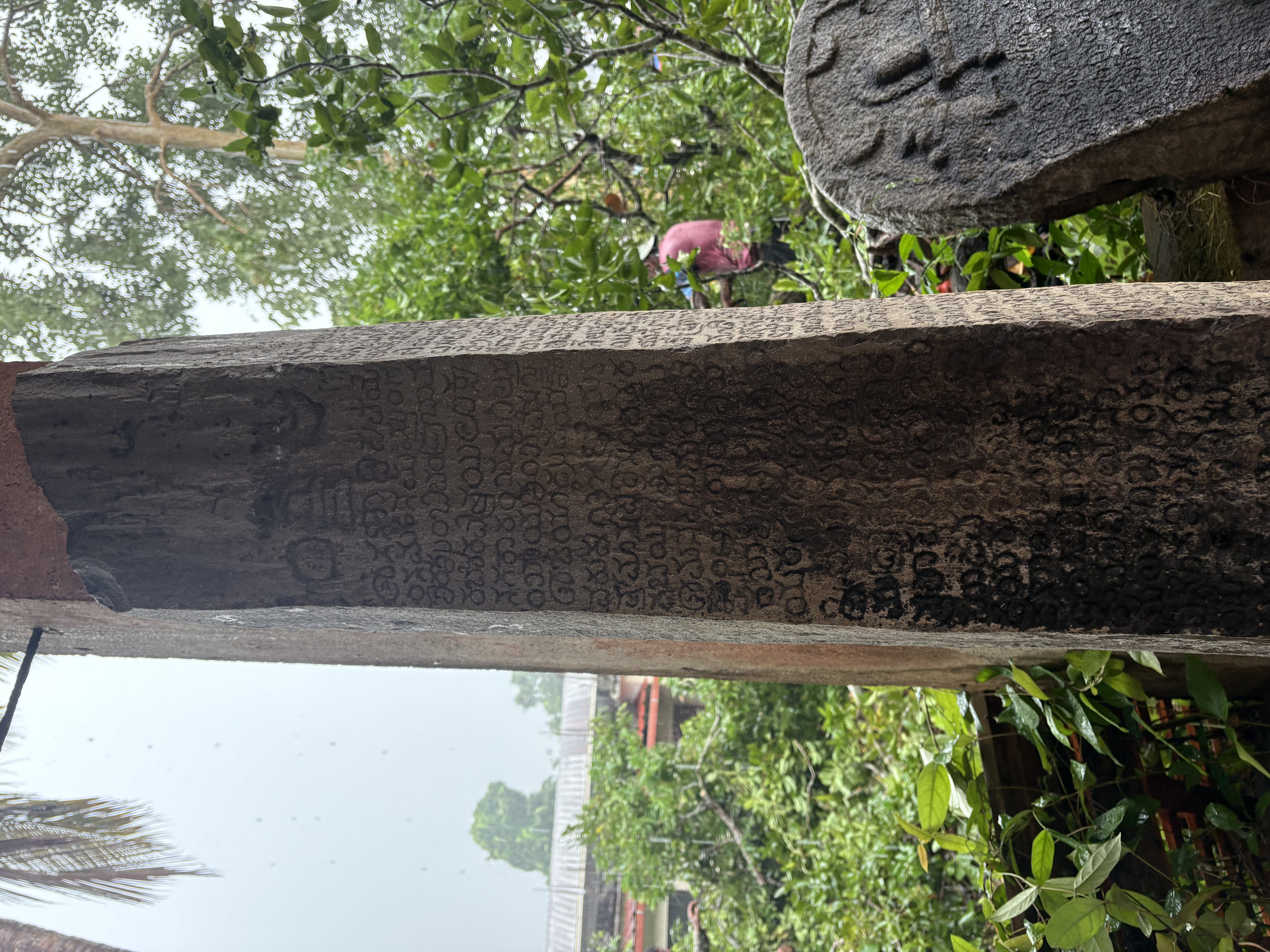
The dynasty became known for stable administration, maritime trade, religious tolerance, temple construction and cultural patronage. Numerous inscriptions discovered in and around Barkur continue to provide valuable information about Alupa governance and society, and many are among the earliest historical records of Tulu Nadu.
The heart of Tulu Nadu
Long before the emergence of modern cities such as Udupi and Mangaluru, Barkur was one of the most important urban centres of coastal Karnataka. Historical evidence suggests the town functioned simultaneously as a political capital, a trading centre, a religious centre, a military headquarters and a cultural hub. Merchants, scholars, artisans, priests, soldiers and traders from many regions interacted within the town, creating a vibrant and cosmopolitan atmosphere.
A flourishing port city
One of Barkur's greatest strengths was its role as a port. Situated near the Arabian Sea and connected by the River Sita, the town became an important centre for maritime trade. During the medieval period the western coast of India formed part of extensive international networks connecting India with Arabia, Persia, Africa and Southeast Asia, and Barkur's prosperity was closely tied to these maritime connections.
| Goods traded through Barkur | Role |
|---|---|
| Spices | The prized export of the Malabar–Konkan coast. |
| Rice | Surplus grain from the fertile river plain. |
| Arecanut | A staple cash crop of coastal Karnataka. |
| Forest products | Timber, resins and goods from the Western Ghats. |
| Horses | Imported for the armies of the southern kingdoms. |
| Textiles | Cloth moving through the coastal trade routes. |
Under the Hoysalas
After the Alupas, Barkur retained its importance under subsequent dynasties. The Hoysalas recognised the strategic value of the town and used it as an important administrative centre. The influence of Hoysala architecture and governance can still be observed in some of the surviving structures and inscriptions found across the region.
The Vijayanagara period
Barkur reached another important phase of its history under the Vijayanagara Empire, which recognised it as a crucial western administrative and commercial centre. Governors appointed by Vijayanagara ruled the region from Barkur, supervising trade, revenue collection and military operations. The town continued to prosper and became one of the major provincial headquarters of the empire along the western coast.
Alupa capital
The Alupas, earliest native rulers of Tulu Nadu, make Barkur their most important seat of power, administering much of the coast.
Hoysala administration
The Hoysalas recognise the town's strategic value and govern it as an important administrative centre.
Vijayanagara province
Vijayanagara governors rule the western coast from Barkur, overseeing trade, revenue and the military.
Gradual decline
As trade routes shift and Mangaluru and Udupi rise, Barkur slowly fades from political prominence.
The forts of Barkur
The military importance of Barkur is evident from its fortifications. Even today, visitors can see the remains of ancient forts that once protected the city.
Alupa Fort
The earliest fortifications are believed to have been constructed during the Alupa period. These defences helped secure the capital from rival powers and external threats.
Vijayanagara Fort
A later fort was built during the Vijayanagara period. Covering a large area, it once contained defensive walls, watch points, stone structures and military remains. Although much of it now lies in ruins, the fort continues to offer valuable insights into medieval military architecture.
The temple town of Barkur
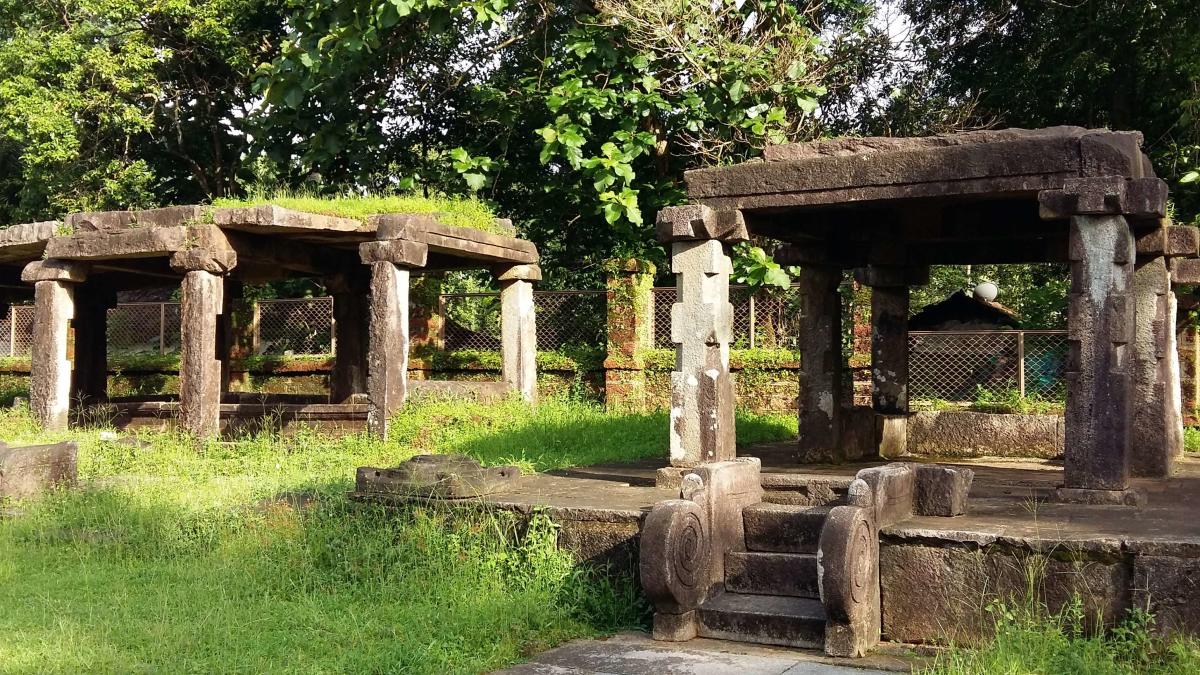
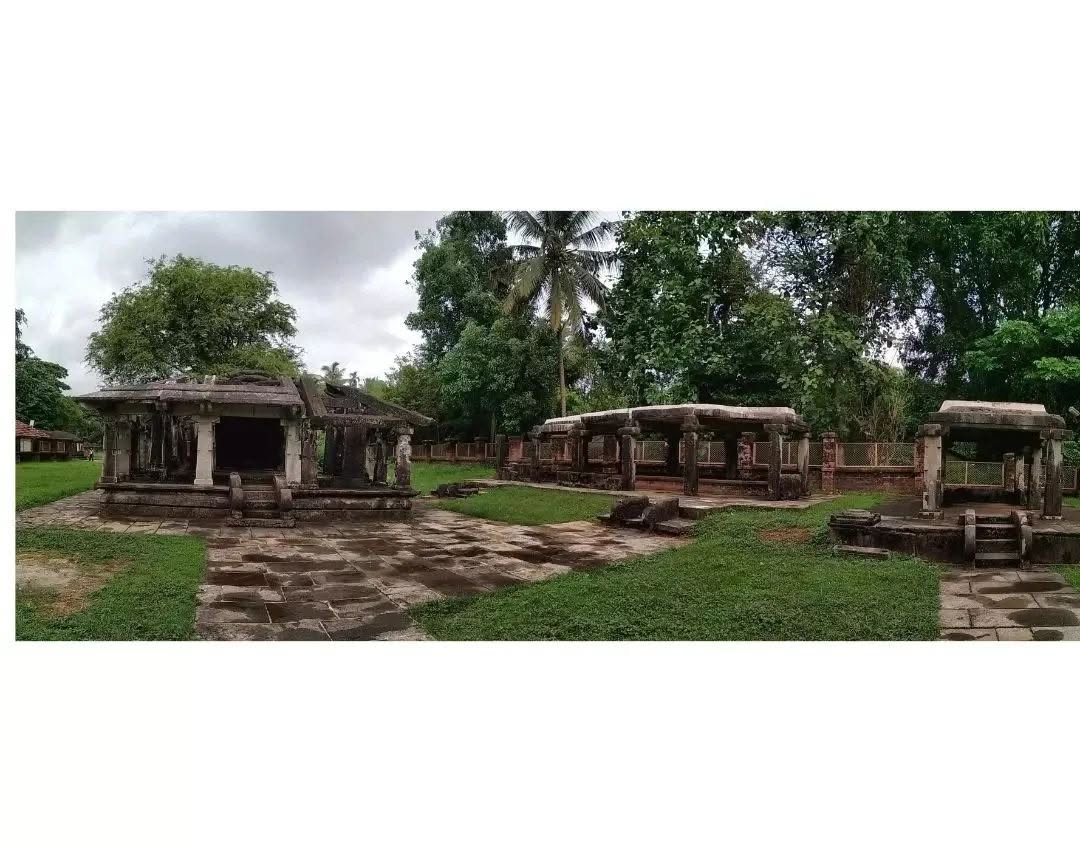
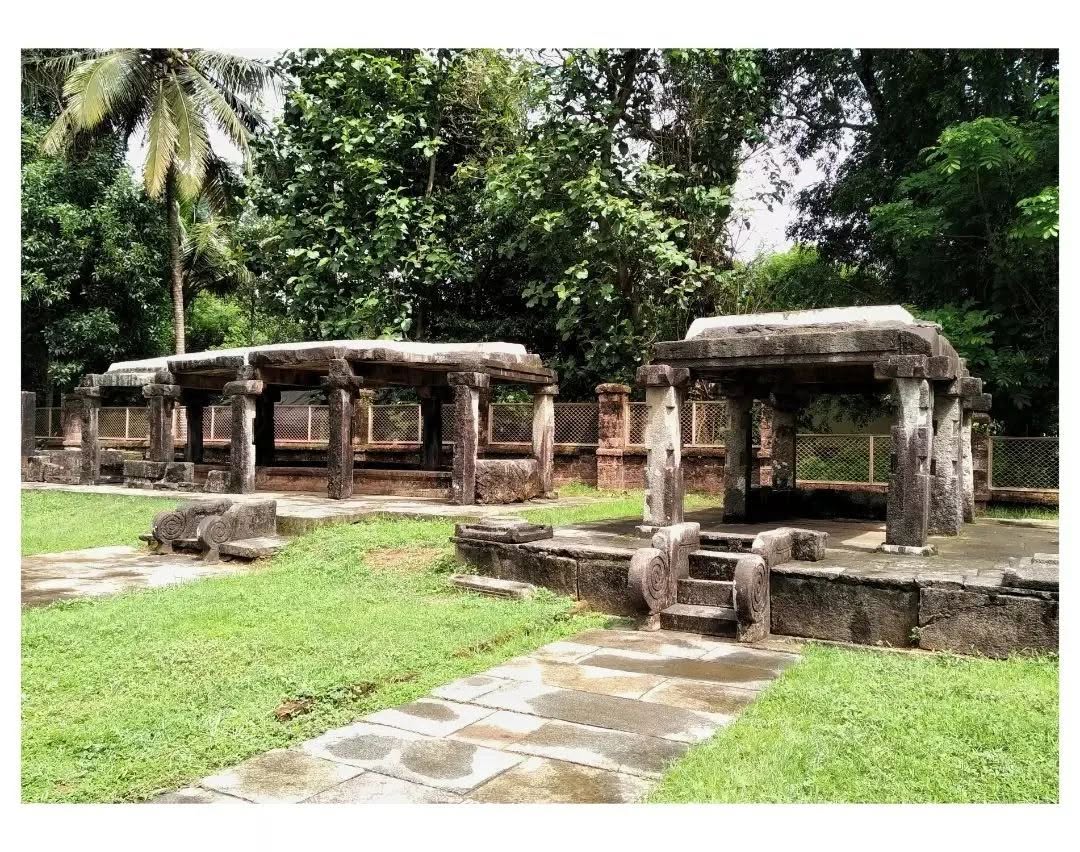
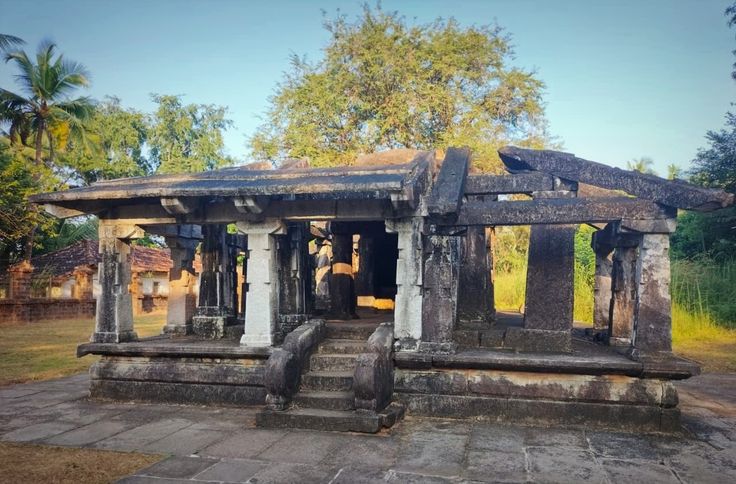
Barkur is often called a "Temple Town." Historians estimate that it once contained hundreds of temples, Jain basadis and religious institutions. Many of these structures survive today, either in active worship or as archaeological remains, their weathered stone telling the story of a great religious centre.
Panchalingeshwara Temple
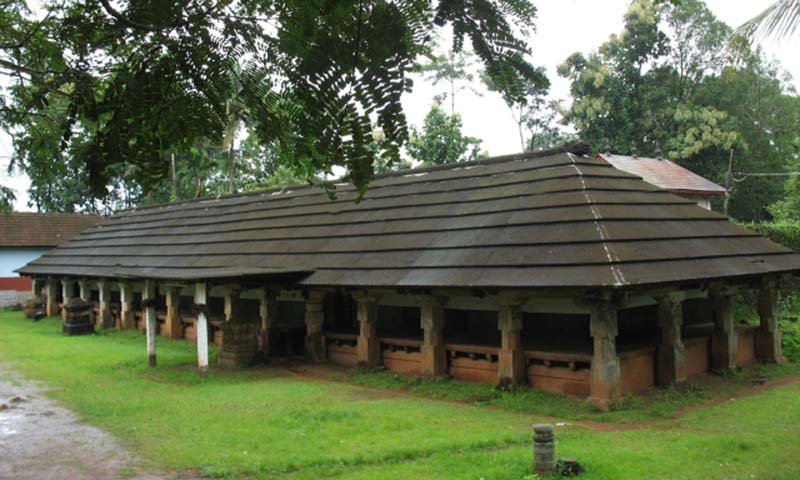
Among Barkur's most important monuments is the Mahatobhara Shree Panchalingeshwara Temple. Dedicated to Lord Shiva and named for the five sacred lingas enshrined within, it is one of the oldest and largest temples in the region, renowned for its double-storied gateway, carved stone pillars, an elephant-back sanctum and a remarkable open-air field of ancient inscriptions. Its architecture blends Alupa, Hoysala and Vijayanagara influences in the coast's own idiom of black stone and steep tiled roofs.
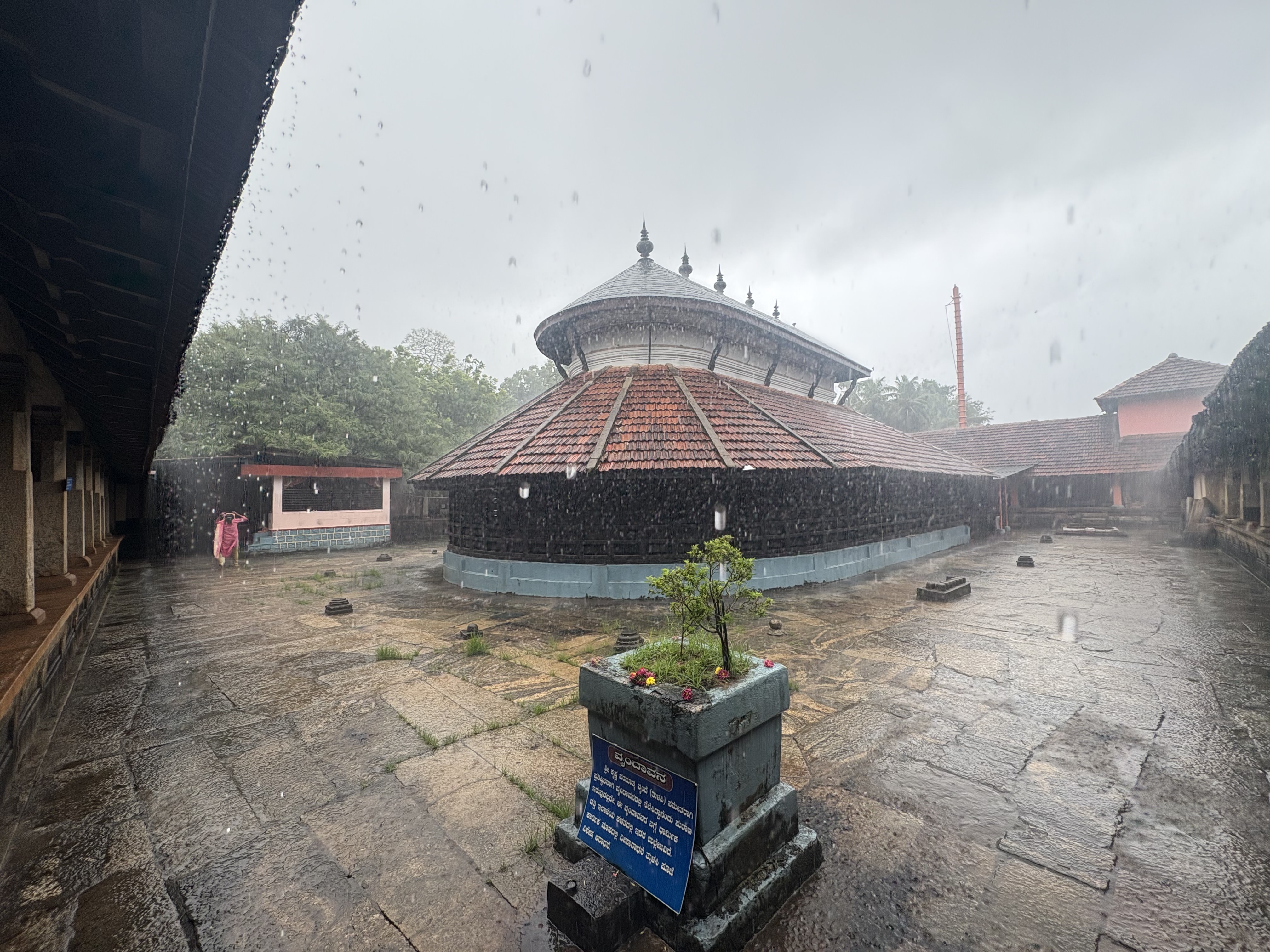
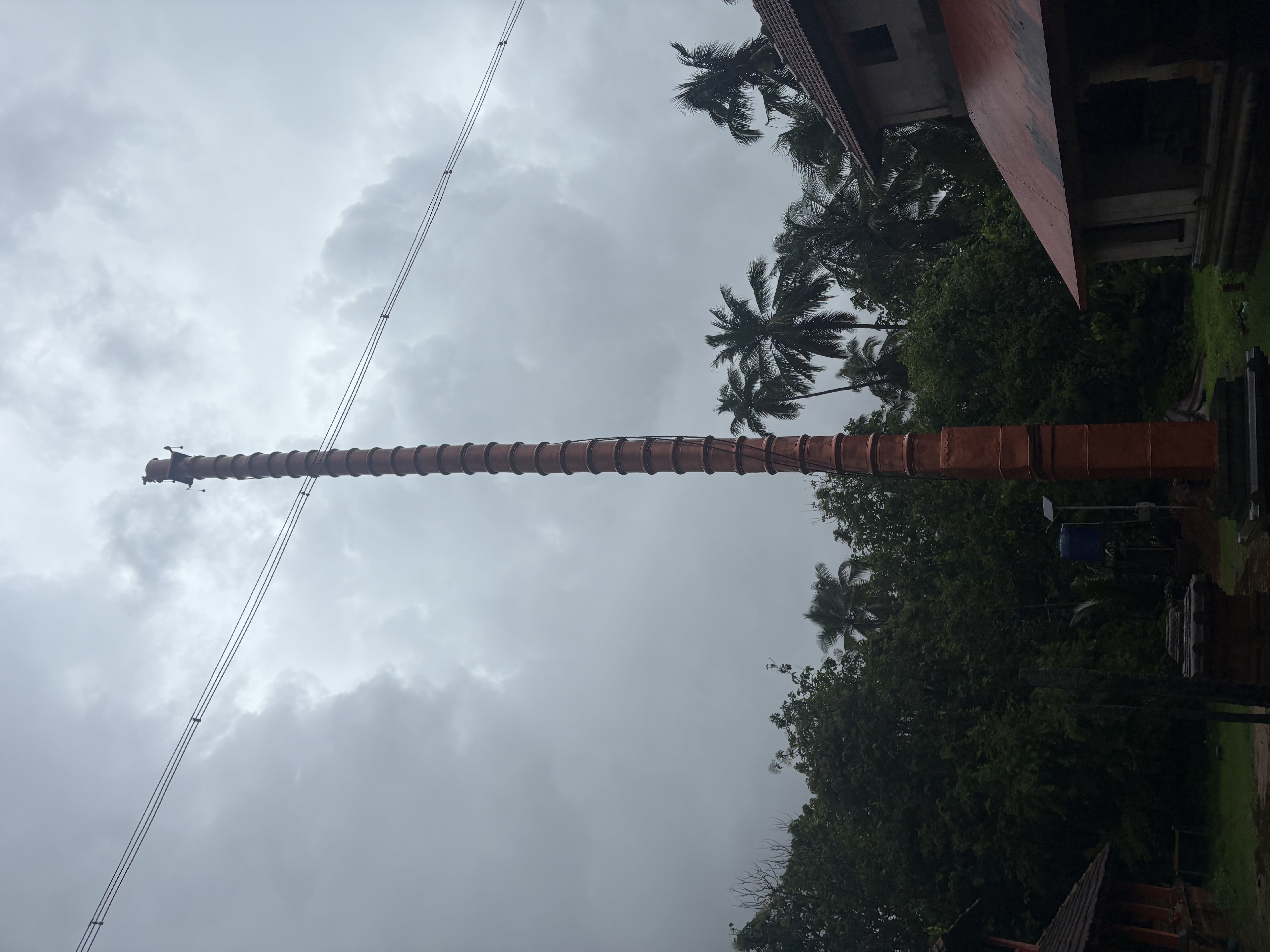
Read the full story of the temple — its five lingas, legends, carvings and inscriptions — in Mahatobhara Shree Panchalingeshwara Temple.
Kathale Basadi
The Kathale Basadi is perhaps the most iconic monument of Barkur. Its name literally means "Dark Temple." Built during the period of Jain influence, the structure demonstrates the importance of Jainism in medieval Barkur. The complex includes stone structures, courtyards, monolithic pillars and ancient Jain remains. Archaeologists believe the site originally housed twenty-four Jain Tirthankara idols, highlighting Barkur's role as an important Jain centre.
Religious harmony
One of the most remarkable aspects of Barkur's history is its religious diversity. Different communities coexisted and flourished within the town, which witnessed the presence of Hindu temples, Jain basadis, Islamic traditions and various local cults and practices. This coexistence contributed to Barkur's lasting reputation as a centre of religious and cultural tolerance.
Architectural style
The monuments of Barkur possess a unique architectural identity. Unlike many South Indian temple towns dominated by towering gopurams, Barkur's temples are characterised by sloping roofs, stone construction, courtyard layouts and coastal architectural adaptations, features that reflect the climatic and cultural conditions of coastal Karnataka. See Temples of Kundapura for the wider building tradition of the region.
Archaeological importance
For historians and archaeologists, Barkur is one of the most important heritage sites in Karnataka. The region contains ancient inscriptions, temple ruins, fort remains, sculptures, coins and religious monuments. Every new discovery continues to enrich our understanding of medieval Tulu Nadu, and recent inscription finds have further confirmed Barkur's role as the capital of the Alupas while expanding knowledge of the dynasty's chronology.
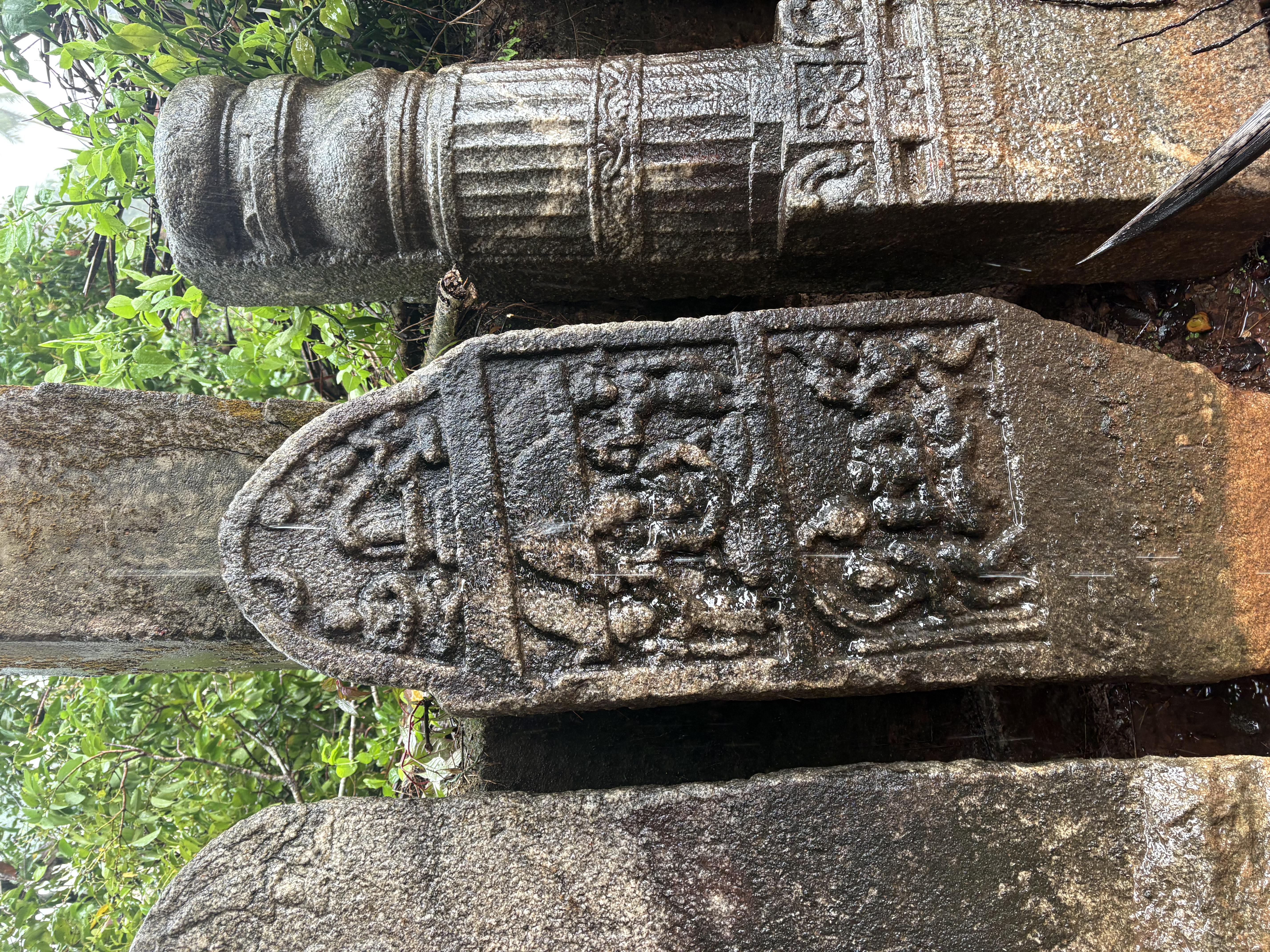
The Forgotten Capital of Tulu Nadu
Today many visitors are surprised to discover the scale of Barkur's historical significance. The town has been called the Forgotten Capital of Tulu Nadu, a Lost Heritage City and the Temple Town of Coastal Karnataka, yet much of its story remains unknown outside academic circles.
Decline of Barkur
Despite its former glory, Barkur gradually declined. Several factors contributed, among them political changes, shifting trade routes, the rise of new urban centres, administrative reorganisation and changing economic patterns. As cities such as Mangaluru and Udupi gained prominence, Barkur slowly faded from political importance. What remained were the monuments and the memories of a once-great capital.
Revival and conservation
In recent years, increasing attention has been directed toward preserving Barkur's heritage. Government agencies, historians, archaeologists, local organisations and heritage enthusiasts have emphasised the need for monument restoration, archaeological conservation, heritage tourism, historical research and public awareness. Recent initiatives have focused on restoring temples, forts and gateways while preserving their original character.
Conclusion
Barkur is far more than a small town in coastal Karnataka. It is a living archive of the history of Tulu Nadu, a place where dynasties ruled, traders prospered, religions flourished and culture evolved. Once the mighty capital of the Alupa dynasty and later a key centre of the Vijayanagara Empire, Barkur played a defining role in shaping the history of the coast. Its forts, temples, basadis, inscriptions and ruins continue to tell the story of a civilisation that once stood at the heart of regional politics, trade and culture, a silent witness to more than a thousand years of history and a symbol of the glorious heritage of Tulu Nadu.
See also
References & notes
- Compiled report: "Barkur, the Forgotten Capital of Tulu Nadu."
- Alupa, Hoysala and Vijayanagara history of coastal Karnataka; Barkur inscriptions and archaeological surveys.
Photographs of the Barkur monuments were contributed for educational and cultural reference, not for commercial purposes.