Jakni, the Summer Tradition
Gratitude, remembrance, devotion and family unity.
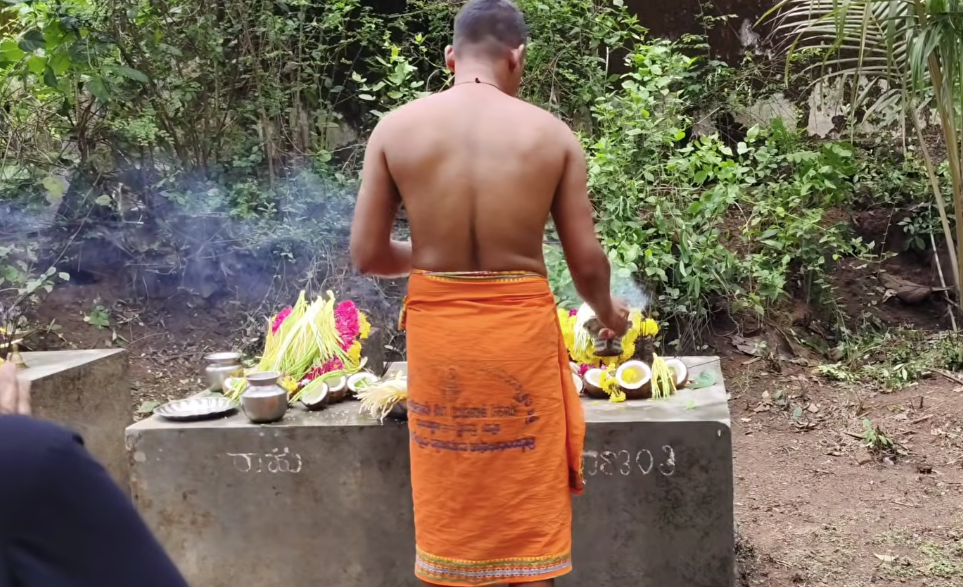
Among the many traditions that distinguish Kundapura, Jakni occupies a special and deeply emotional place. Unlike large public festivals celebrated with processions and crowds, Jakni is primarily a family-centred and community-rooted observance that brings together Daiva worship, ancestral remembrance, seasonal food traditions and family gatherings. Closely tied to the summer months of April and May, it is less a festival than a cultural institution, reflecting the values of gratitude, remembrance, devotion and family unity that have shaped the identity of Kundapura for centuries.
Meaning and cultural context
The origins of Jakni are deeply embedded in the traditional social structure of coastal Karnataka. Historically the observance evolved as a family ritual bringing together three important aspects of life, the worship of Daivas and Ganas, the remembrance of ancestors, and the celebration of seasonal abundance. Unlike temple festivals that involve entire villages, Jakni is often observed at the family level, making it one of the most intimate cultural traditions of the region, reinforcing the belief that family members, ancestors and divine protectors remain spiritually connected across generations.
- Daiva & Gana worship, honouring the guardian spirits
- Ancestral remembrance, honouring departed family
- Seasonal abundance, the jackfruit harvest
- Family reunion, relatives gathering together
- Cultural continuity, passing it to the young
The timing of Jakni
Jakni is generally observed during the summer months of April and May, a period significant for several reasons, agricultural activity is relatively light, families have time to gather, and seasonal fruit becomes abundant. Above all, the timing coincides with the arrival of one of the most important seasonal products of Kundapura, the jackfruit, so that Jakni and the jackfruit season have become inseparably linked.
Daiva worship and offerings
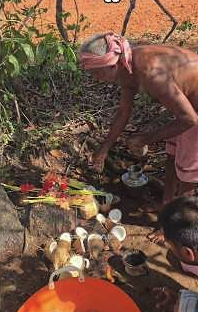
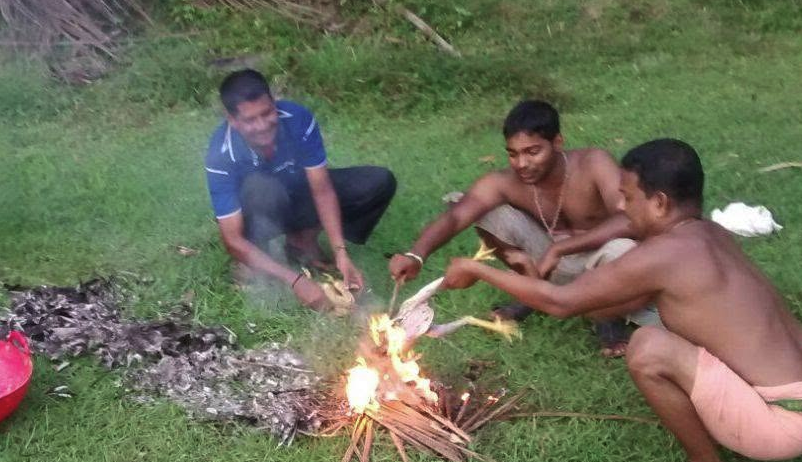
One of the central aspects of Jakni is the worship of Daivas and Ganas, the guardian spirits regarded in coastal Karnataka as protectors of families, villages, farmlands and communities. Many households maintain hereditary relationships with specific Daivas, continuing traditions passed down through generations. During Jakni ritual prayers are performed, traditional offerings are made, and blessings are sought for prosperity and protection. The offerings, prepared with devotion and according to each family's custom, vary from village to village.
| Traditional offering | Note |
|---|---|
| Chicken | A customary ritual offering of the observance. |
| Rice | The staple grain, prepared in various forms. |
| Coconut-based dishes | Reflecting the defining flavour of the coast. |
| Seasonal foods | The produce of the summer season, jackfruit above all. |
| Special homemade preparations | Dishes unique to each family's tradition. |
Ancestor remembrance
Perhaps the most emotionally significant aspect of Jakni is its connection with ancestral remembrance. Families prepare special meals in memory of deceased relatives, an act reflecting the belief that ancestors continue to bless future generations, that family bonds extend beyond physical life, and that gratitude should be expressed toward those who came before. Family members gather to remember parents, grandparents, elders and all the ancestors who contributed to the family's well-being, and stories, memories and family histories are shared, making Jakni an important mechanism for preserving family identity and cultural continuity.
Family gatherings
One of the most cherished aspects of Jakni is the reunion of family members. Relatives travel from different places to take part, and the gathering offers a chance to strengthen relationships, share meals, preserve traditions and pass cultural knowledge to younger generations, reinforcing the importance of family as the foundation of social life in Kundapura.
The jackfruit season
No account of Jakni is complete without jackfruit. The observance coincides with the peak jackfruit season, making the fruit a central element of the celebration. For centuries jackfruit has been one of the most important seasonal foods in Kundapura, eagerly anticipated each summer, and its abundance during the Jakni period has produced a remarkable variety of traditional recipes that are still prepared today.
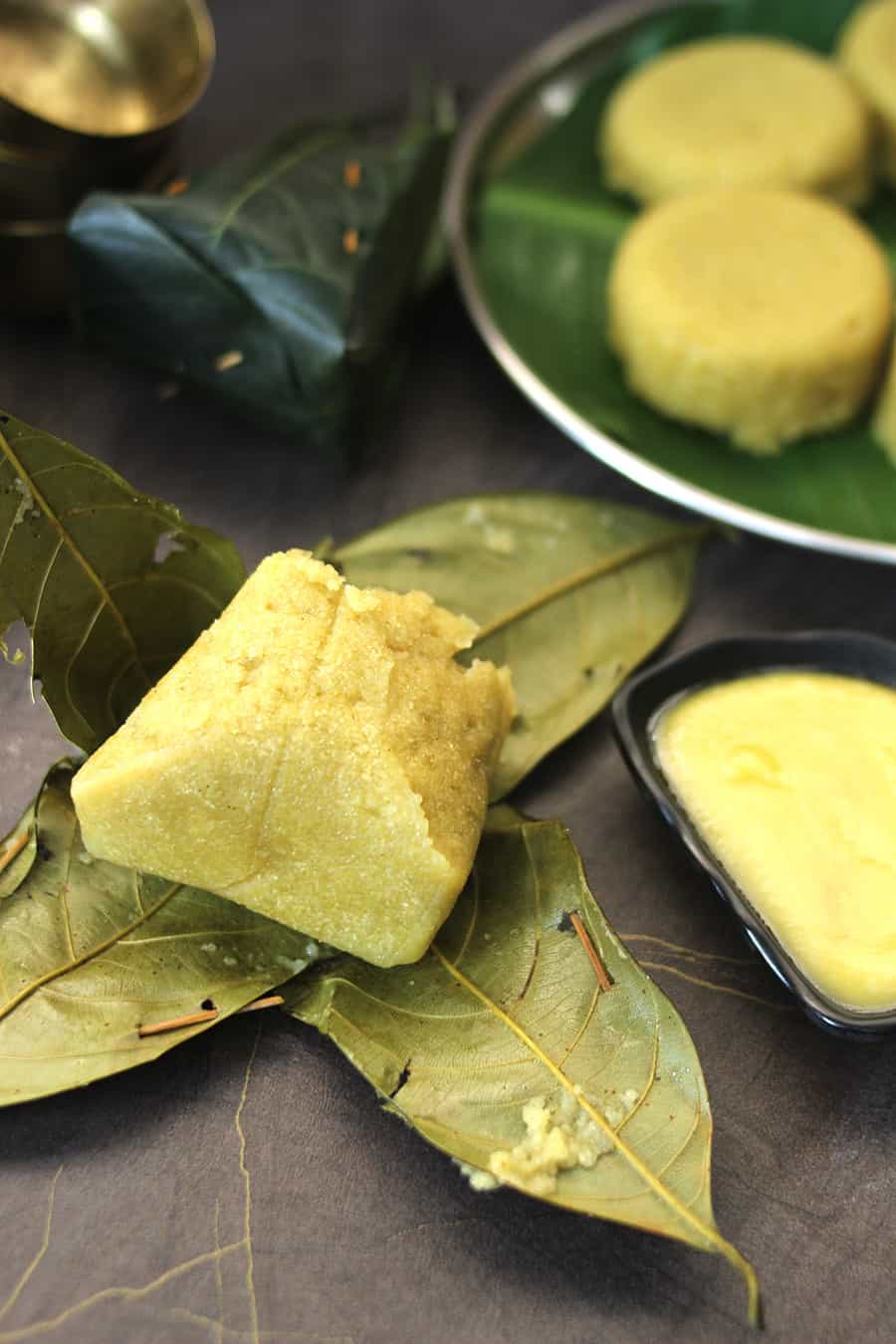
| Jackfruit dish | What it is |
|---|---|
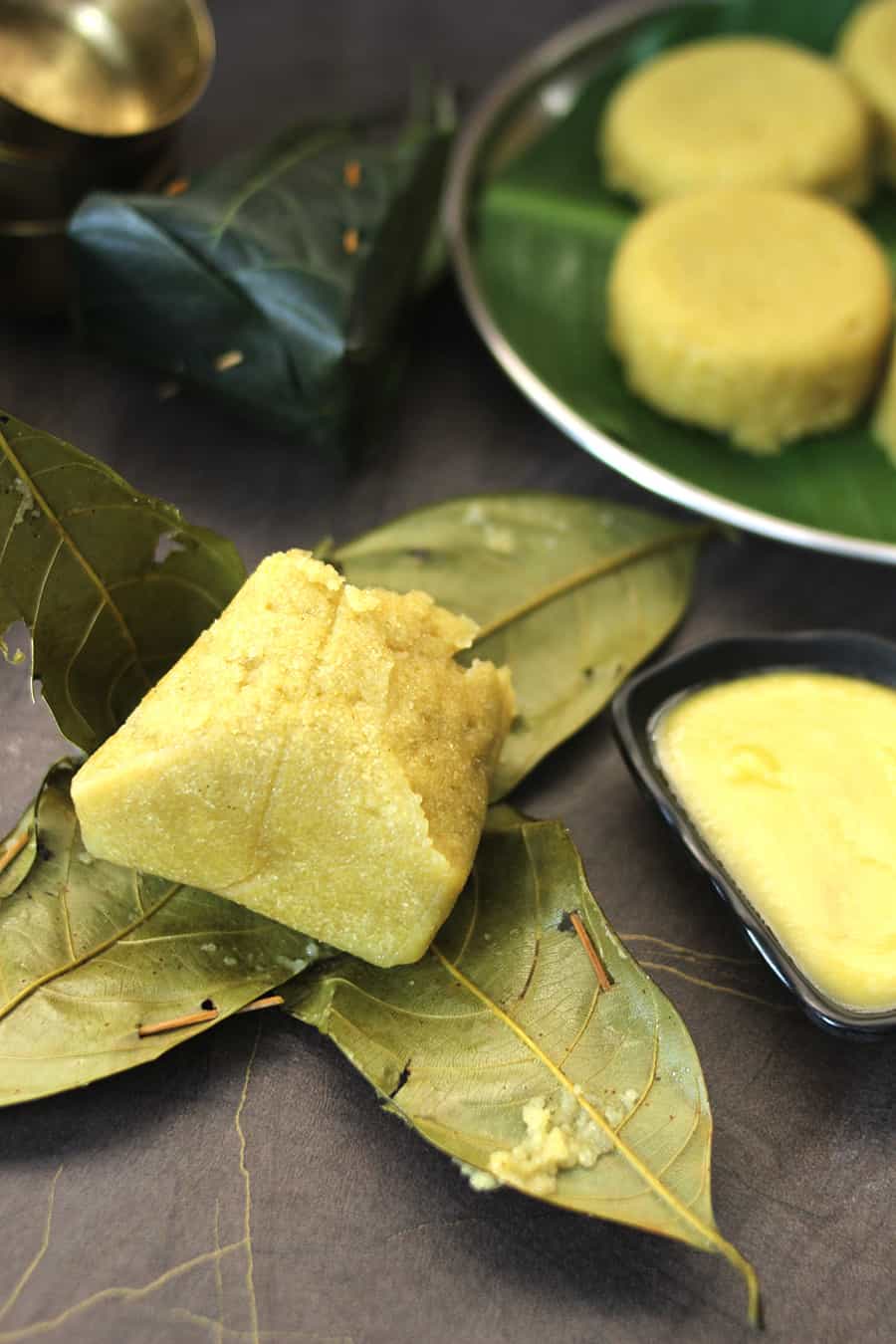
| Halasina Kadubu | A steamed sweet of ripe jackfruit, rice, coconut and jaggery, wrapped in leaves. |
| Halasina Appo | A sweet fried delicacy of jackfruit pulp, rice flour and jaggery, loved by all ages. |
| Halasina Pundi | Steamed rice dumplings flavoured with jackfruit. |
| Halasina Payasa | A rich dessert of jackfruit, coconut milk and jaggery, served at gatherings. |
| Jackfruit Chips | Crisp chips of raw jackfruit, the classic seasonal snack. |
| Halasina Happala | Jackfruit papad, prepared in summer and preserved for later use. |
Jakni represents one of the finest examples of seasonal food culture in Kundapura, showing how communities adapted their diet to seasonal availability, and encouraging the use of fresh ingredients, traditional cooking methods, family participation and the preservation of culinary heritage, recipes passed down orally through generations. See Cuisine of Kundapura for the wider food tradition.
Cultural importance and continuity
Jakni occupies a unique place within the cultural identity of Kundapura because it combines so many dimensions of life at once, spirituality, family relationships, food traditions, seasonal cycles and ancestor remembrance. Few observances integrate these aspects as completely, and the celebration reflects the values of gratitude, continuity and respect that have long characterised coastal Karnataka society. Though modern lifestyles have transformed family and community life, Jakni survives because it remains deeply meaningful, preserved through ritual observance, traditional cooking, family gatherings, oral storytelling and cultural education, keeping younger generations connected to their heritage. For the people of Kundapura, Jakni remains a cherished tradition that connects the past, present and future through devotion, food, memory and community.
See also
References & notes
- Compiled report: "Jakni, the Unique Summer Tradition of Kundapura."
- Daiva worship, ancestral and seasonal food traditions of coastal Karnataka.
Photographs were contributed by residents documenting the tradition, and are used for educational and cultural reference, not for commercial purposes.